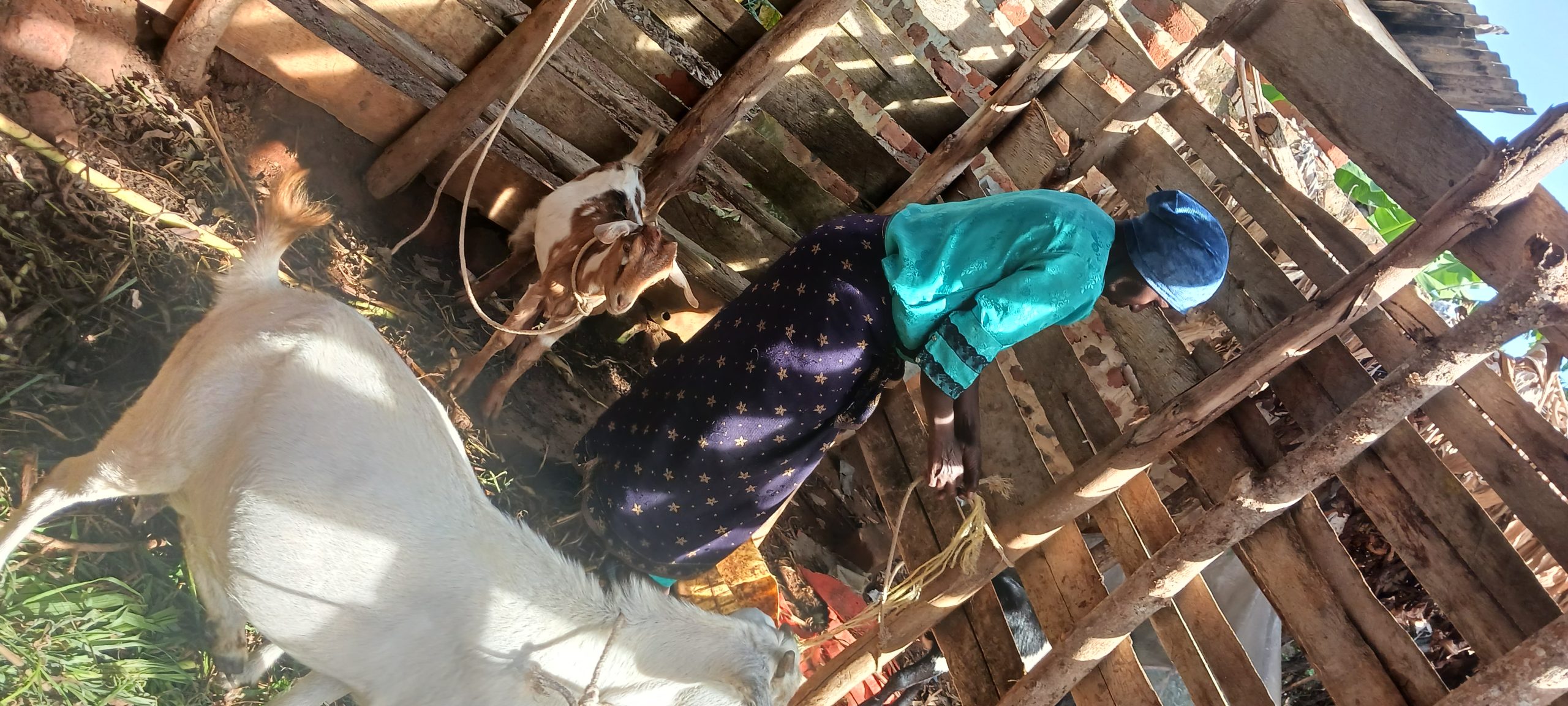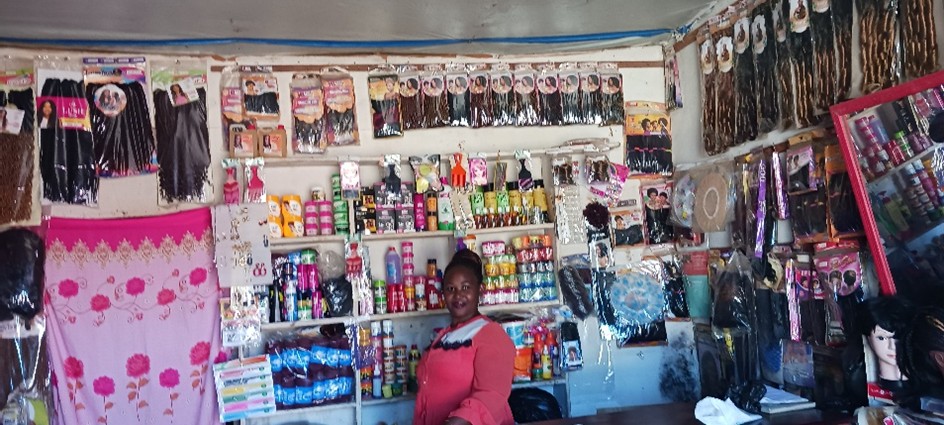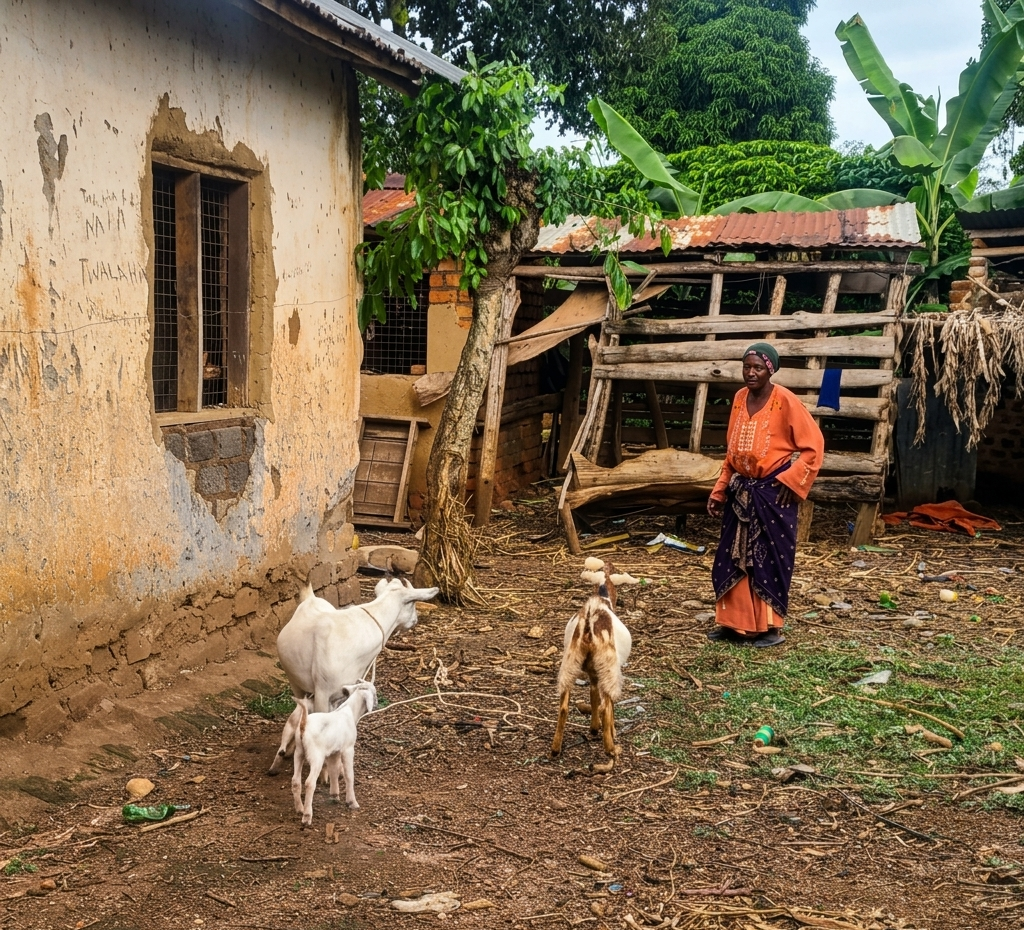
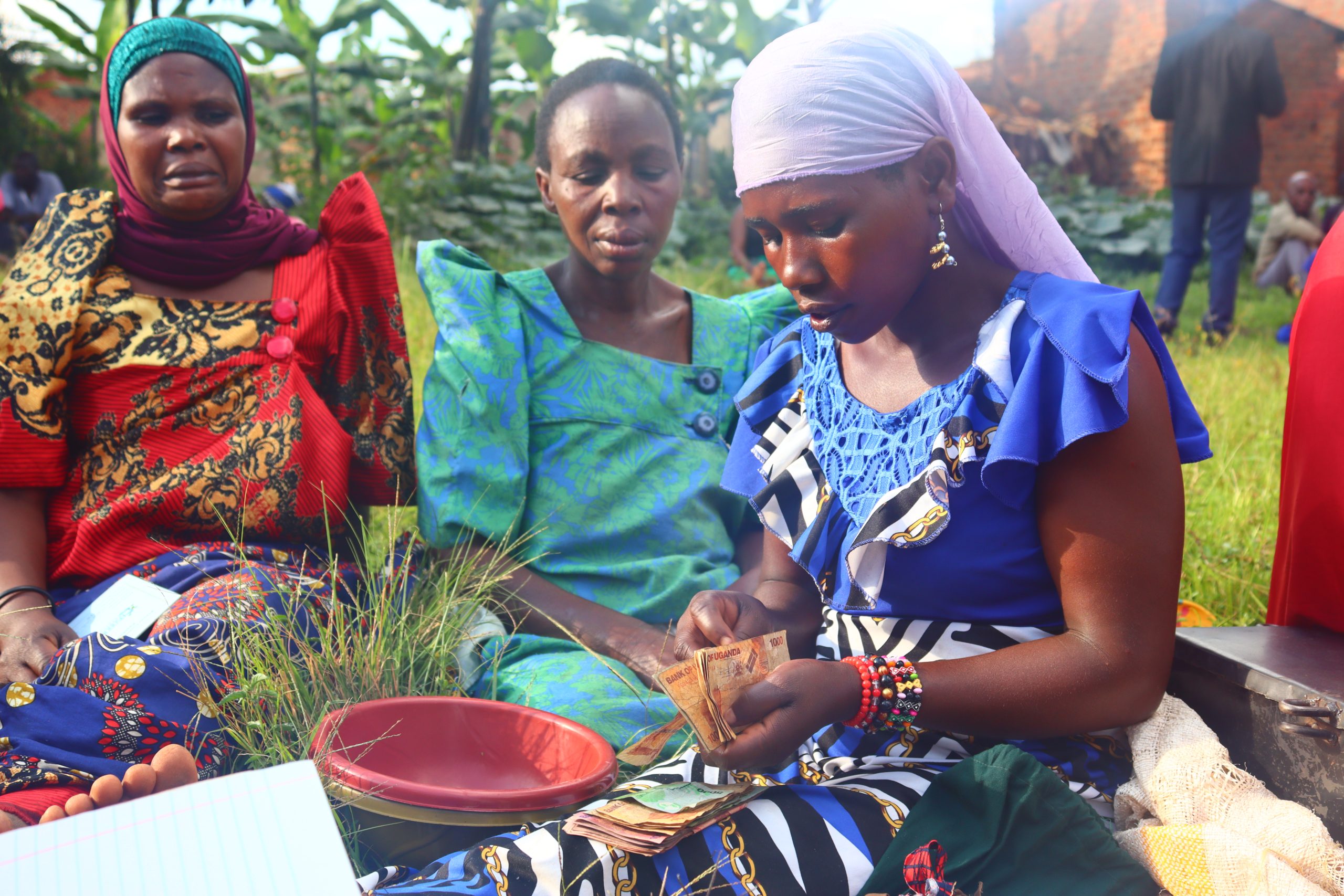
In the rural villages of Lwengo District in Uganda, we are observing a quiet revolution is taking place, empowering women, opening up economic opportunities, and paving the way out of poverty for many. This revolution has a name: Kisoboka Africa’s School Community Banks.
As a nonprofit, we have been working tirelessly to promote financial inclusion in underserved communities across Uganda. One of our flagship initiatives is the establishment of village saving groups we call School Community Banks(SCOBAs) which provide a safe and accessible platform for rural women to save, borrow, and invest in income-generating activities.
The impact of these saving groups has been nothing short of remarkable. According to recent data collected by our M&E team, the women in our beneficially rural communities in rural Lwengo have collectively and cumulatively saved an astonishing $426,000 through these groups. This may seem like a small amount to some, but for these women, it represents a path to financial independence, economic empowerment, and a better life for their families.
The concept of saving groups is simple yet profound. Members contribute a small amount of money on a regular basis, and these savings are pooled together. Members can then borrow from this pool to start or expand their businesses, pay for educational expenses, or cover emergency costs. The loans are provided at reasonable interest rates, and the profits are shared among the group members at the end of each cycle.
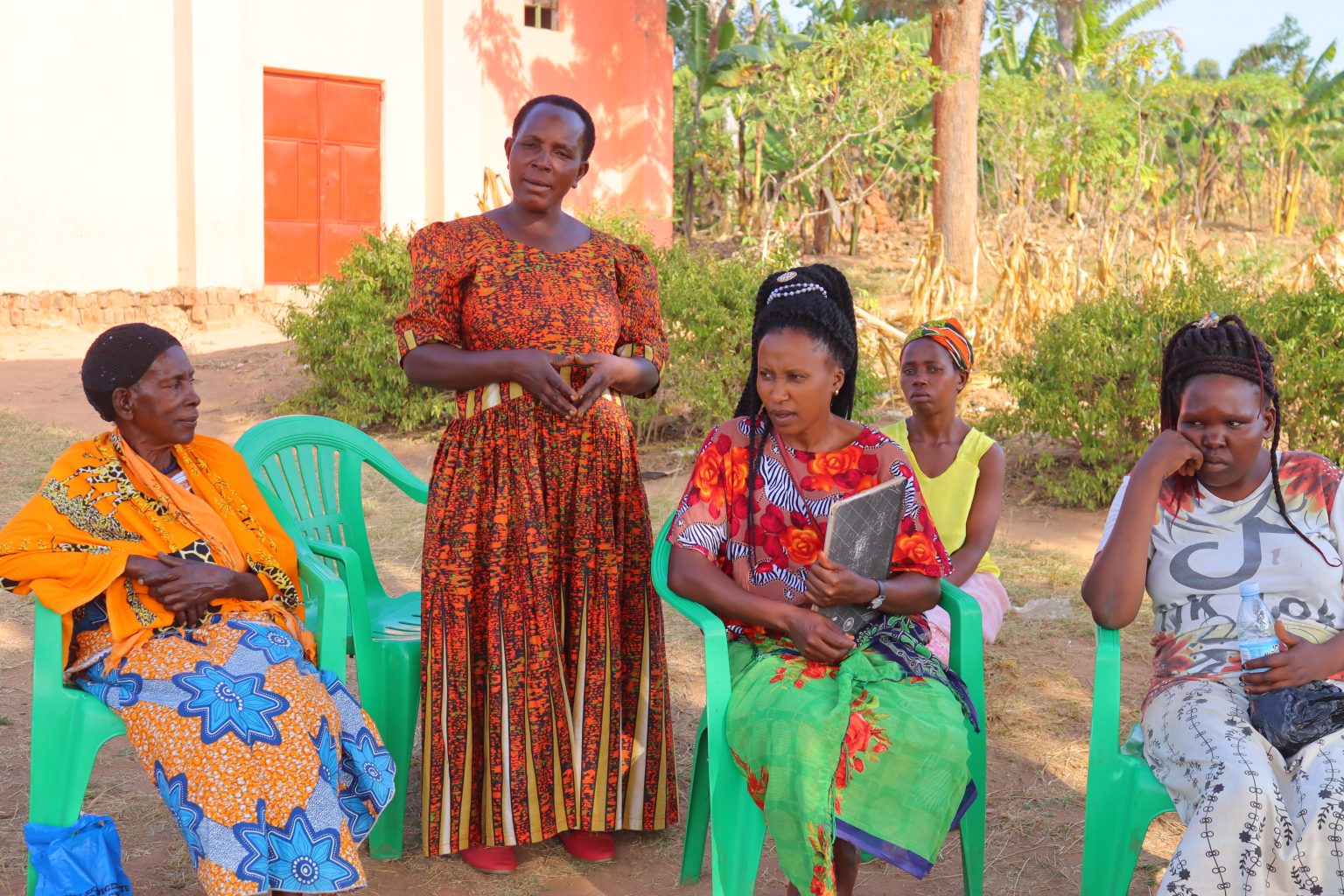
But the impact of these groups goes beyond just financial gains. They have fostered a sense of community, solidarity, and mutual support among the women of Lwengo. These groups have become safe spaces where women can share their experiences, learn from one another, and uplift each other in their collective journey towards economic empowerment.
The success of these saving groups in Lwengo serves as a powerful testament to the transformative potential of financial inclusion. When women have access to secure and affordable financial services, they can unlock their entrepreneurial spirit, invest in their families, and break the intergenerational cycle of poverty.
Kisoboka Africa’s efforts have not gone unnoticed. The organization has received recognition and support from various international organizations, including the United Nations Development Programme (UNDP) and the World Bank, for their innovative approach to poverty alleviation and women’s empowerment.
As the world continues to grapple with the persistent challenges of poverty, inequality, and gender disparities, the success of Kisoboka Africa’s School Community Banks in rural Lwengo shows there hope to solve poverty. It demonstrates that grassroots initiatives, rooted in community participation and financial inclusion, can catalyze lasting change and unlock the potential of marginalized communities.
The revolution in Lwengo is just the beginning. As more organizations and governments recognize the power of financial inclusion, we can expect to see similar initiatives sprouting up across the globe, empowering women, fostering economic growth, and creating a more equitable world for all.