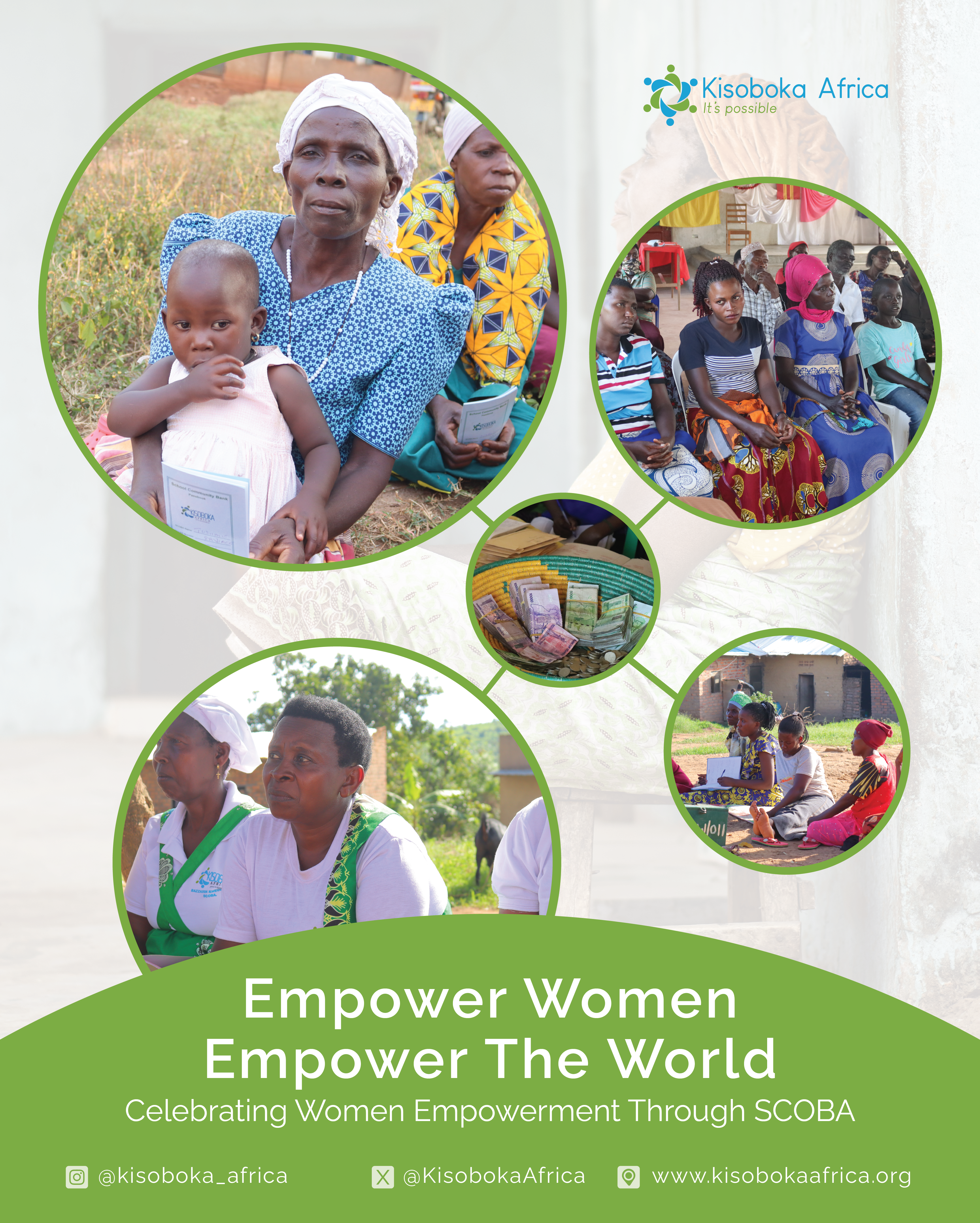
The Power of Financial Inclusion
45.9 M
The Ugandan Population
51.5%
Female Composition of the Population
8.8%
The only portion of the population with access to commercial banks
8 Million
Ugandans Survive on less than 1USD Per Day
Financial exclusion is one of the biggest challenges faced by women in rural areas, limiting their ability to invest in businesses, access education, and secure their families’ futures.
This results from the low participation in money-generating activities, leaving most people in rural areas with nothing to save.
Driving Financial Inclusion by Kisoboka Africa
In rural areas of Lwengo district, Kisoboka Africa is challenging the status quo and stepping in to change the narrative of how a Ugandan woman in rural areas can get access to opportunities. Our SCOBAs bring together parents and community members to save, invest, and access financial literacy training. This equips women with the skills and resources needed to build sustainable livelihoods and also strengthens their role in championing education for their children.
Impact Created
SCOBAs Established
Households Impacted
Businesses Started
Women Composition in SCOBAs
Total Amount Saved
Stories of Transformation: Women Who Inspire Us
From Poverty to Prosperity: The Story of Mrs. Shakira Nakyeyune
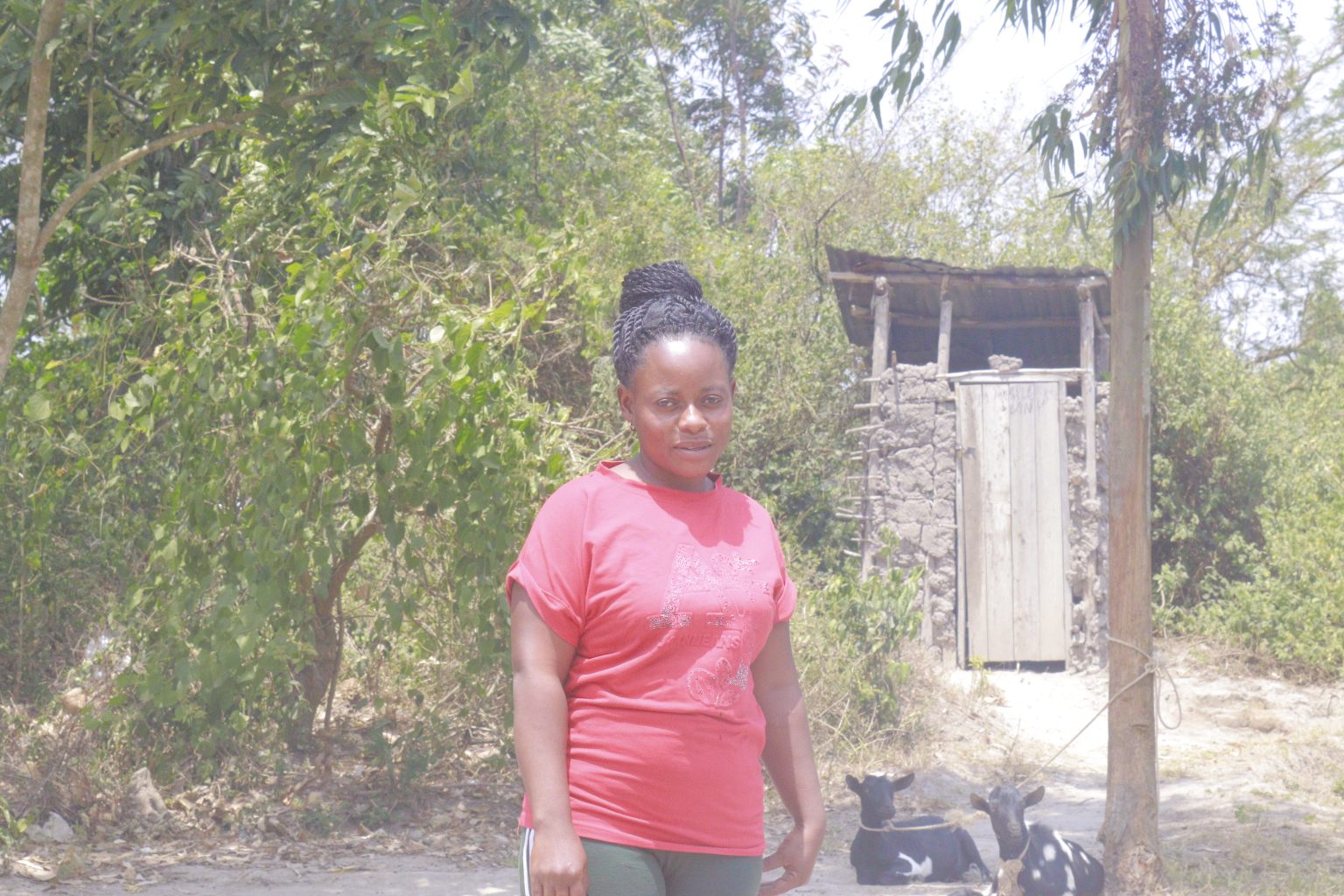
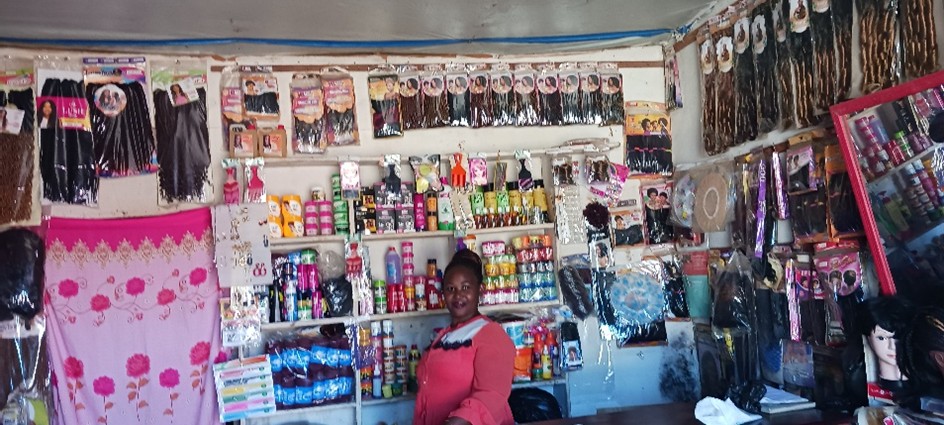
Mrs. Shakira Nakyeyune is a mother who once struggled to afford a meal. She was not involved in any money-making initiative, which made it difficult for her to afford even the basic needs of life.
Through the support of a SCOBA, she gained access to capital, financial literacy training, and a supportive community. Today, she owns a thriving salon business, has educated her children, and even purchased land for her family.
Shakira’s story is proof that women can overcome even the most difficult challenges when given access to resources and support. Her journey from struggle to success is a testament to Kisoboka Africa’s mission—to ensure financial inclusion and economic empowerment for all women.
Read More about Shakira’s story here.
Breaking Barriers in Leadership: Mrs. Nagawa Lucy’s Rise
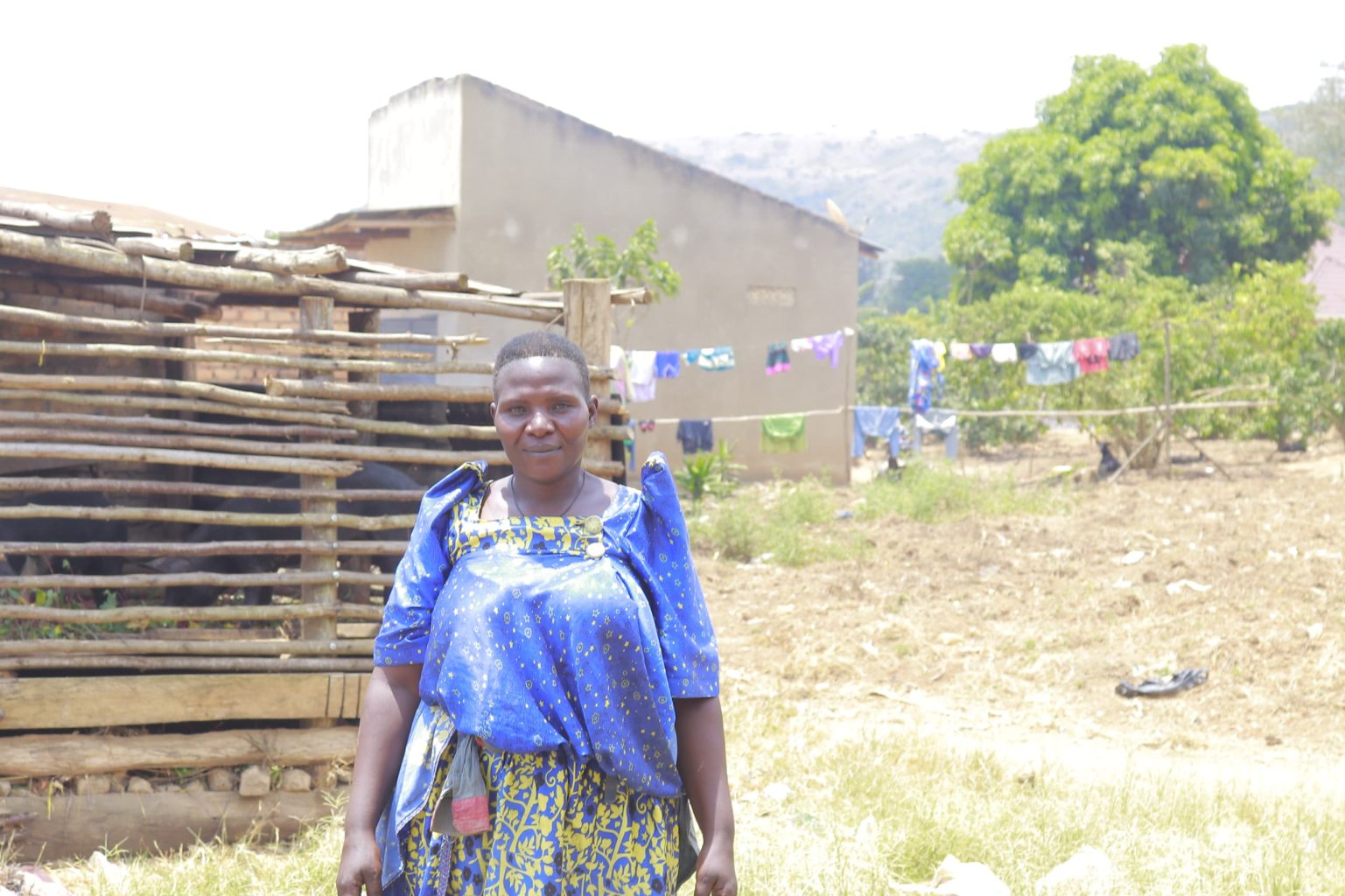
Leadership is a key component of economic empowerment, and Kisoboka Africa is dedicated to nurturing women leaders.
One such leader is Mrs. Nagawa Lucy, a 42-year-old mother of five. Starting as the secretary of Kitambuza SCOBA, her leadership and commitment saw her rise to become a Woman Councilor representative for Ndagwe Sub-County. Today, she advocates for community development and helps women access government programs like the Parish Development Model funds. on the journey to financial stability.
Lucy also mentors youth to become transformative leaders and engage in money-generating activities. Her journey showcases the power of opportunity that when women are supported in leadership, they not only uplift themselves but also pave the way for others to rise.
Read More about Lucy’s story here.
SCOBAs as Economic Powerhouses: The Work of Mrs. Kyamazima Annet
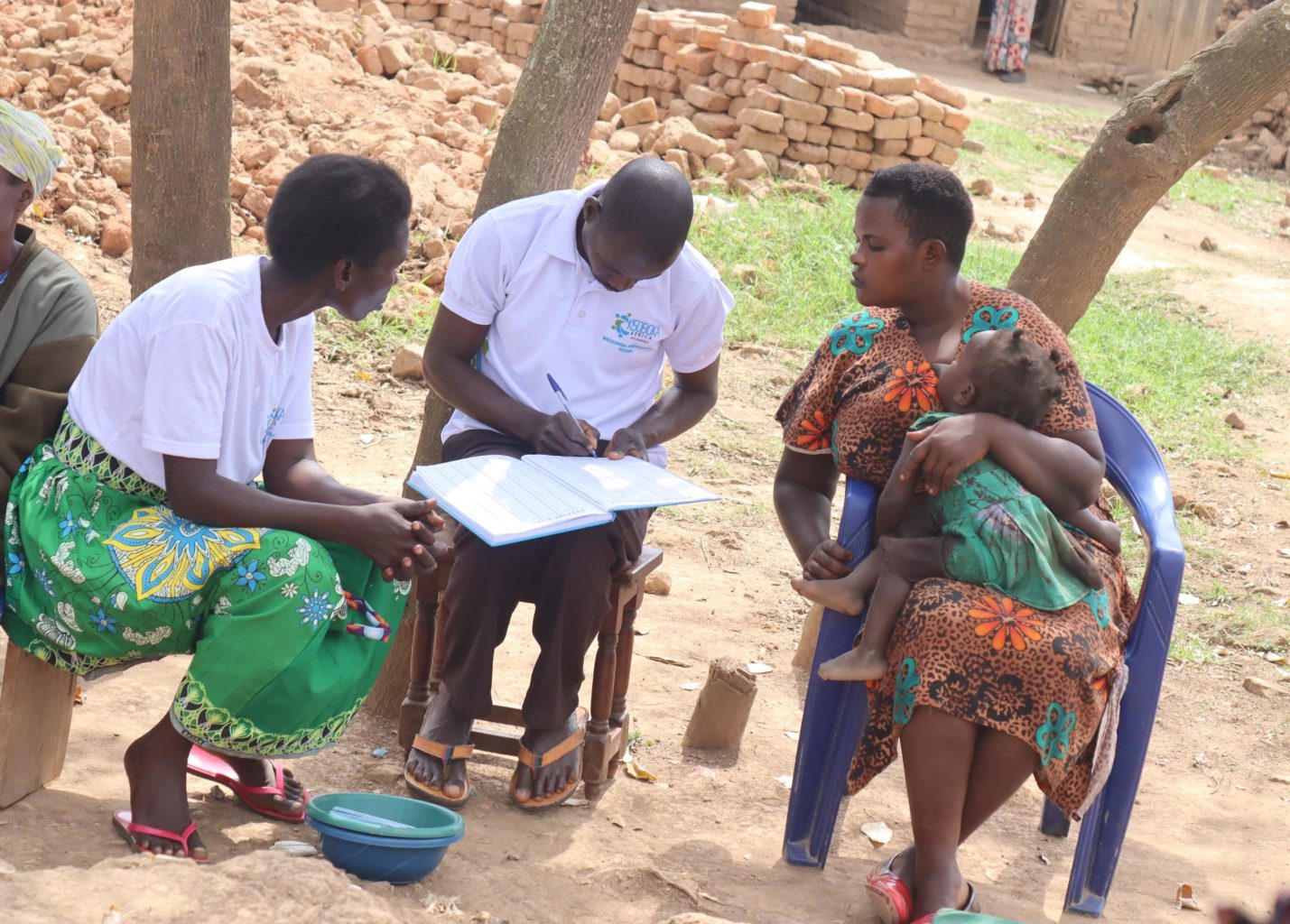
Mrs. Kyamazima Annet is the chairperson of Lwengenyi SCOBA.
Under her leadership, what once had zero savings has grown into a fully operational savings and loan association. Today, this SCOBA provides loans to not just its members, but the wider community, driving economic development in Lwenyonyi Village.
To ensure sustainability, the group has constructed a shopping center that will serve as a permanent office while generating rental income.
Beyond this, the SCOBA has invested in bricklaying and has issued development loans to over 100 people, creating lasting financial security.
Read More about Annet’s story here.
Women Leading the Way: The Role of Female Leaders in SCOBAs
One of the most remarkable aspects of Kisoboka Africa’s approach is the active leadership of women. With 72% of SCOBA executive leaders being female, these women are not only managing financial resources but also driving change, fostering unity, and leading community transformation.
Their leadership goes beyond finances, creating a ripple effect that impacts future generations, ensuring that young girls see role models who inspire them to dream bigger.
Entrepreneurship and Innovation: The Possibility Hub & Chicken Revolving Model
To further empower women economically, Kisoboka Africa runs The Possibility Hub, an initiative designed to help women and youth transform ideas into successful agribusinesses. This hub fosters innovation, mentorship, and resource mobilization, ensuring that women can launch and scale their businesses effectively. Many businesses have been launched out of the initiative, and these employ other youths on the journey to driving financial inclusion and stability.
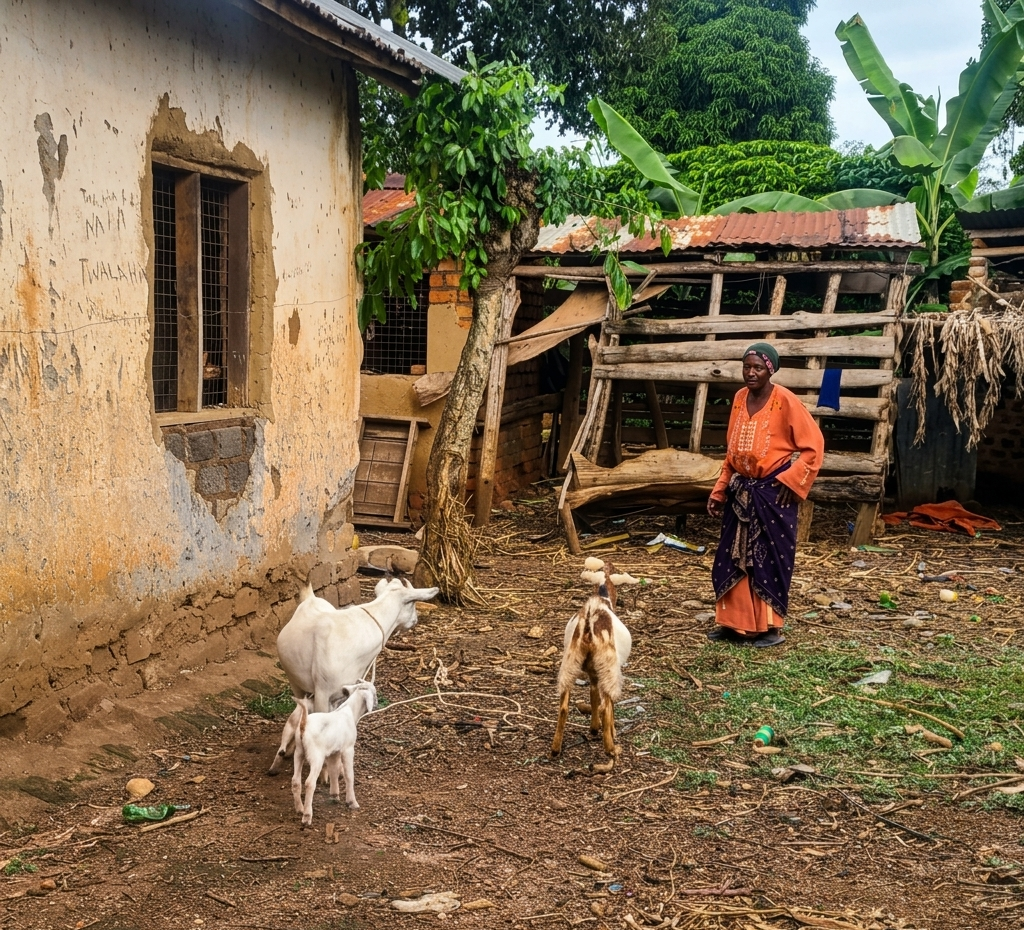
Another impactful initiative is the Chicken Revolving Model, where marginalized families in SCOBAs receive 25-layer birds, farm inputs, and technical support to start poultry businesses. These are expected to multiply these birds and then later pass on the same benefits to the next generation of beneficiaries. This model has significantly increased household incomes and provided a sustainable pathway out of poverty.
Beyond Numbers: The Heart of Women’s Empowerment
While statistics show the immense impact of Kisoboka Africa’s programs, the true success lies in the stories of courage, transformation, and empowerment. Women who once had no financial security now own businesses and homes, lead communities, and ensure a brighter future for their children.
This journey is not just about money—it’s about hope. Hope that a single mother, with little education or employment, can rise and create a secure future. Hope that a rural woman, once marginalized, can become a leader advocating for hundreds of others. Hope that the cycle of poverty can be broken—one empowered woman at a time.